

Pool Pump Repair in New Orleans, LA for Circulation and Motor Problems
A pump that hums, leaks, loses prime, or moves less water than usual is signaling a problem worth tracing. Peachy Pools provides pool pump repair in New Orleans, LA with focused diagnostics for motors, seals, suction, pressure, and circulation faults.
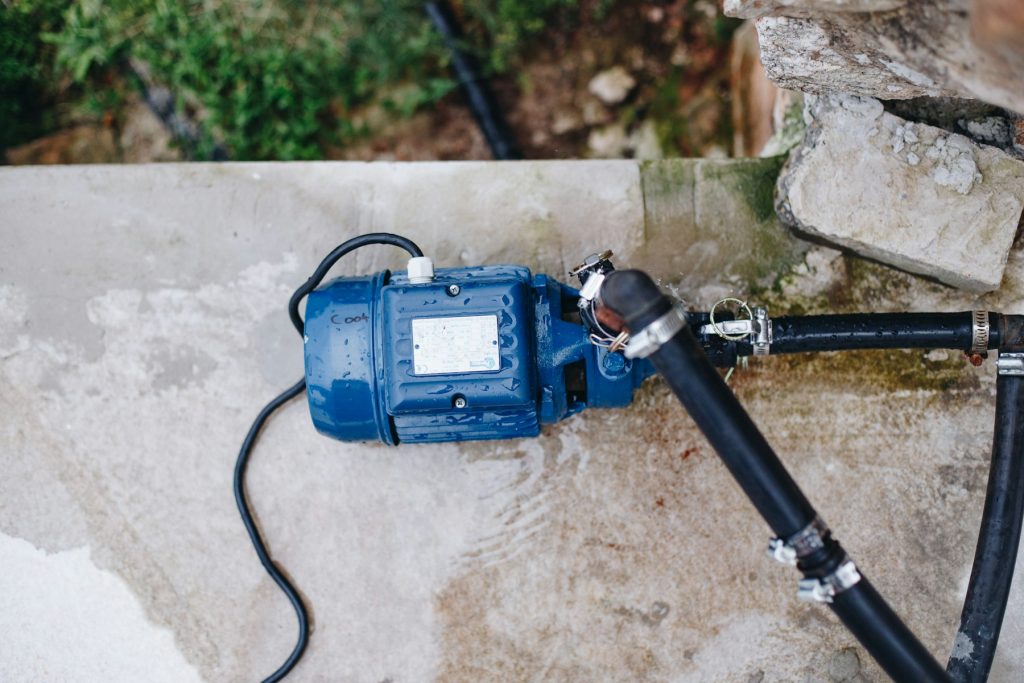
Repair Decisions Based on What the Pump Is Actually Doing
Six years of hands-on pool work have given Peachy Pools experience with pumps that leak, run loudly, struggle to prime, lose suction, or stop moving water efficiently. Our approach to swimming pool pump repair starts with the symptom instead of immediately assuming the entire unit has failed.
Pump problems can originate inside the motor, at a seal, within the suction side, or elsewhere in the circulation system. Careful pool pump diagnostics help separate repairable faults from broader pool equipment repair concerns.
- Pump troubleshooting for residential and commercial pools
- Motor, seal, suction, and priming diagnostics
- Circulation and pressure-related repair support
- Practical recommendations before major replacement decisions
How We Narrow Down a Pump Problem
Listen to the Symptom
A noisy pool pump, intermittent motor, visible leak, weak return flow, or trouble starting provides the first clues about where the failure may be developing.
Check Suction and Prime
Low pool suction and pump priming issues can originate from air entering the system, restricted flow, plumbing conditions, or another problem preventing consistent water movement.
Test Motor and Pressure Behavior
Pool pump troubleshooting includes observing motor response, pressure behavior, circulation, and operating sound so electrical, mechanical, and flow-related symptoms can be distinguished.
Repair the Confirmed Fault
Once the cause is identified, the appropriate pool pump repair service can address the specific component rather than replacing unrelated parts through guesswork.
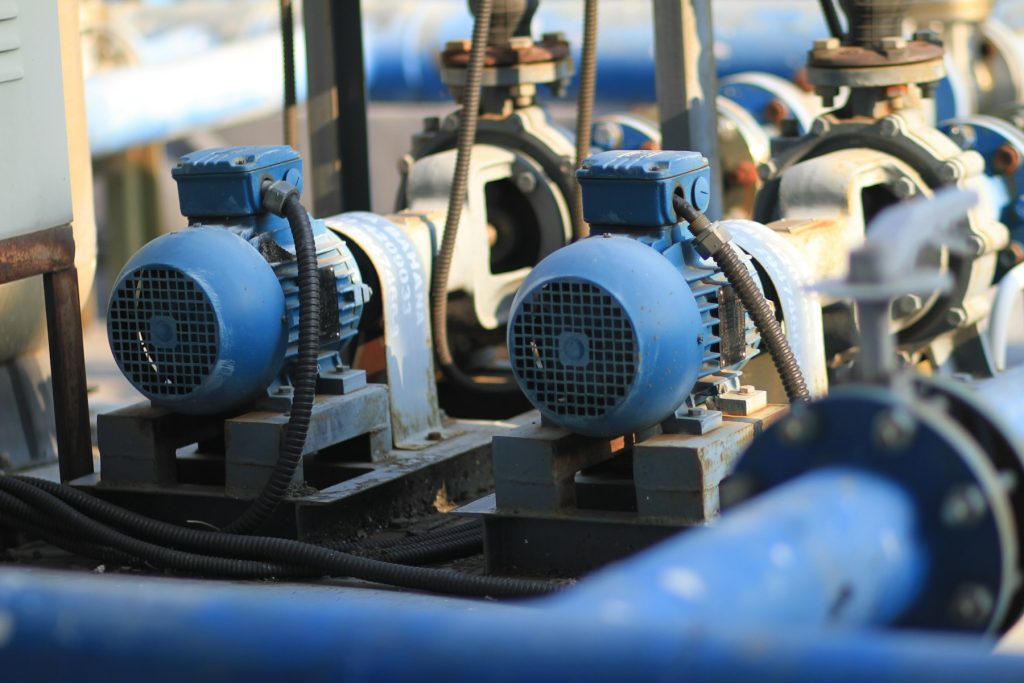
The Pump Does Not Work in Isolation
Pool pump repair in New Orleans, LA often requires looking beyond the pump housing itself. Filters, valves, plumbing, suction conditions, system pressure, and pool configuration can all influence what appears to be a pump failure.
- Pool circulation repair for weak or inconsistent water movement
- Pool filter pump repair when filtration and pump symptoms overlap
- Pool equipment maintenance for recurring system care
- Variable-speed pool pump installation when an aging pump is better suited for replacement
Pump Problems We Diagnose and Repair
Repairing pool pumps requires matching the symptom to the component causing it. One pump may need a seal, another may have a motor fault, while a third is actually struggling because of suction or circulation conditions elsewhere in the system.
Pump Motor Failure
Pool motor repair and swimming pool pump motor repair can address motors that fail to start, overheat, run inconsistently, hum without operating correctly, or show other mechanical or electrical symptoms.
Seal and Leak Problems
Pump seal replacement may be appropriate when water is escaping from a worn seal or related connection. Pool pump leaks should be traced carefully because not every leak originates from the same component.
Priming and Suction Issues
A pump that repeatedly loses prime or shows low pool suction may be drawing air, encountering a restriction, or dealing with another circulation problem that needs diagnosis before parts are replaced.
Pressure and Flow Changes
Pump pressure problems can appear as weak returns, unusual gauge behavior, or reduced circulation. The pump, filter, plumbing, and valves may all need to be considered when isolating the cause.
Heat Pump Concerns
Pool heat pump repair and swimming pool heat pump repair involve heating equipment rather than the primary circulation pump. When heating performance is the issue, dedicated pool heater repair may be the more appropriate service.
Small Changes in Pump Behavior Can Point to Larger Faults
A pump rarely needs attention only after it stops completely. Owners often notice new sounds, water around the equipment pad, bubbles in the system, unstable pressure, or circulation that no longer feels as strong. Those changes can signal problems that become harder on the motor if operation continues unchecked.
For faults involving multiple components, our broader pool repair services can address the pool system beyond the pump itself.
- Grinding, humming, or unusually loud pump operation
- Air bubbles or repeated loss of prime
- Water leaking around the pump housing or connections
- Reduced suction or weaker return flow



What Pool Owners Need to Know About Pump Trouble
Why is my pool pump making a loud or unusual noise?
A noisy pool pump can point to motor wear, bearings, debris, cavitation, restricted flow, or another mechanical condition. Pool pump diagnostics help determine whether the sound originates inside the pump or from a circulation problem affecting operation.
Why does my pool pump keep losing prime?
Repeated priming problems often indicate air entering the suction side, low water level, restricted flow, leaking fittings, or another circulation issue. A swimming pool pump repair should identify where prime is being lost before replacing components unnecessarily.
Can a leaking pump be repaired without replacing the whole unit?
Often, yes. Some pool pump leaks can be corrected through a seal, fitting, gasket, or component repair. The repair depends on where the water is escaping and whether the pump body, motor, or other parts have also deteriorated.
When does a pool pump motor need repair instead of maintenance?
Routine maintenance addresses preventive care, while pump motor repair is needed when the motor develops an actual fault such as failure to start, overheating, inconsistent operation, abnormal noise, or declining performance that ordinary servicing cannot correct.
How do I know whether to repair or replace an older pool pump?
Consider the pump’s age, motor condition, repair history, efficiency, parts availability, and expected reliability after repair. Peachy Pools can evaluate whether swimming pool pump repairs are practical or whether replacement offers a better long-term outcome.
Get Water Moving Properly Before the Pump Problem Gets Worse
Weak suction, leaking seals, motor trouble, and unstable pressure all place different demands on a circulation system. Peachy Pools provides pool pump repair in New Orleans, LA, with targeted troubleshooting and dependable pool pump repair services focused on correcting the actual fault.